By Serhat Arca, Senior R&D Engineer at NTCP
Bio-based plastics are gaining ground as sustainable alternatives to fossil-based plastics, especially in packaging. However, there are some questions that should be answered for large-scale implementation of circular bio-based plastics. One of these questions is: how do we separate them effectively from packaging waste, also conventional plastics, to ensure high-quality recycling for all materials? This is one of the questions that is actively answered in PROSPER project.
The challenge
Modern material recovery facilities (MRFs) rely on advanced technology, primarily near-infrared (NIR) sensors, to identify and separate different types of plastic. However, currently most systems are not yet equipped to recognize bio-based plastics such as PLA, starch blends or biopolyesters. When other plastics get mixed into the wrong streams, the recycling stream gets contaminated, which lowers the quality of the recycling material. Therefore, efficient sorting of bio-based plastics is a major hurdle that should be overcome for innovative and sustainable end of life options for bio-based plastics.
The trial: putting sorting technology to the test
To tackle this challenge, a sorting trial was performed at the applied research organisation on circular plastics NTCP in the Netherlands. The first step was the training of a dedicated bio-based plastics identification program on a NIR optical sorter for efficient sorting of these materials.
The trial was designed to mimic real-world conditions with a crucial twist. We took actual municipal light weight packaging (LWP) waste and spiked it with bio-based plastic packaging products. Since the spiking material consisted of clean packaging, mixing with LWP waste was an important step to contaminate the bio-based plastic packaging to make it more comparable to real waste. The mixing and compression were performed at MRF (Figure 1, left). In total, 4 ton of material was prepared at the MRF and this material was transferred to NTCP for the sorting trial (Figure 1, right). The mixed material was then fed onto the advanced sorting lines at NTCP (Figure 2).
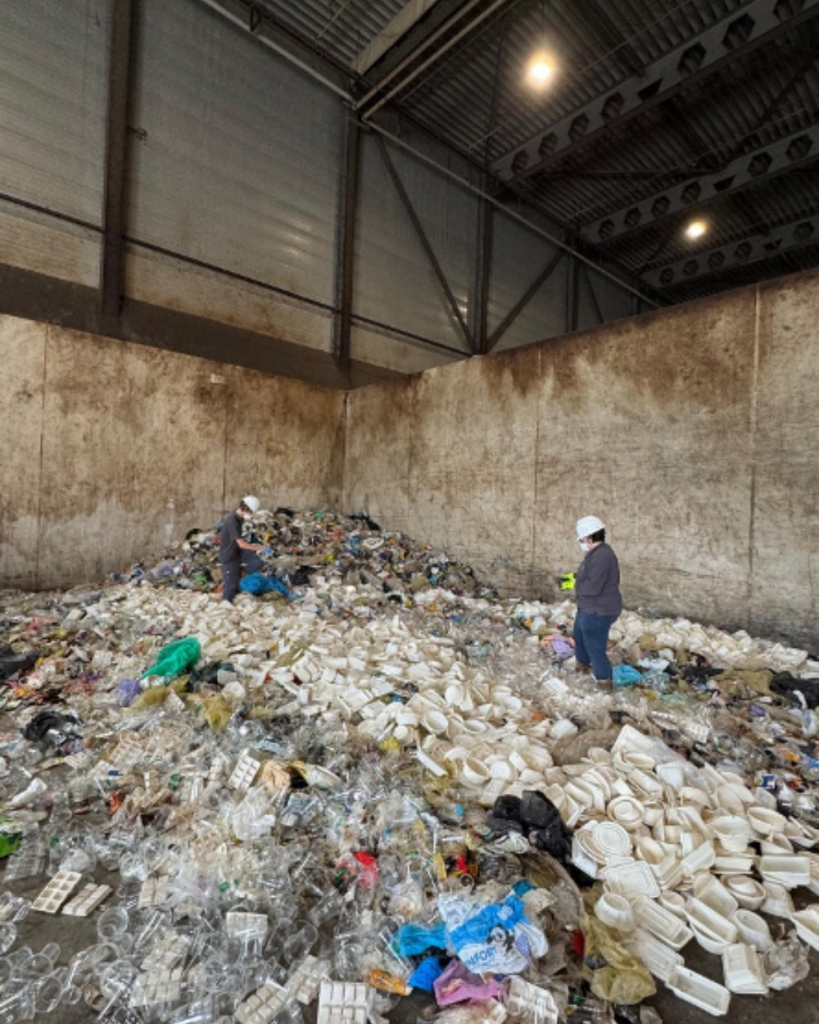
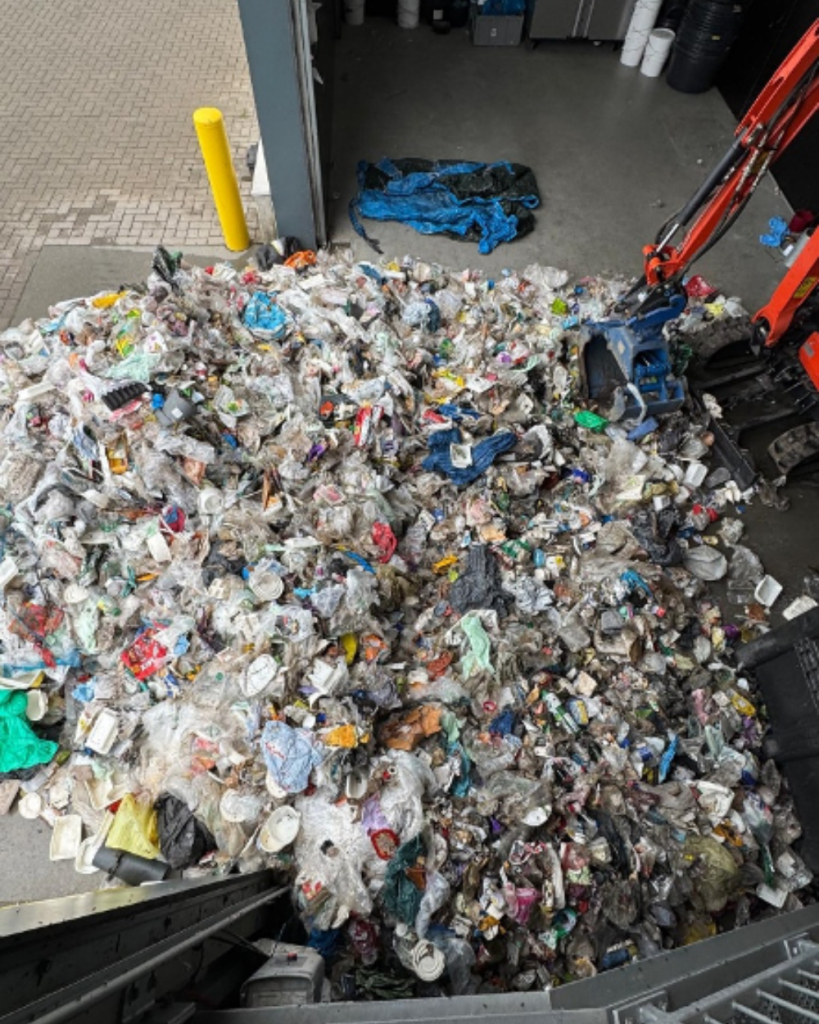
Figure 1. Mixing of bio-based plastic packaging at a materials recovery facility (left) Top view of the mixed bio-based plastic packaging with actual LWP waste after being transferred to NTCP (right).
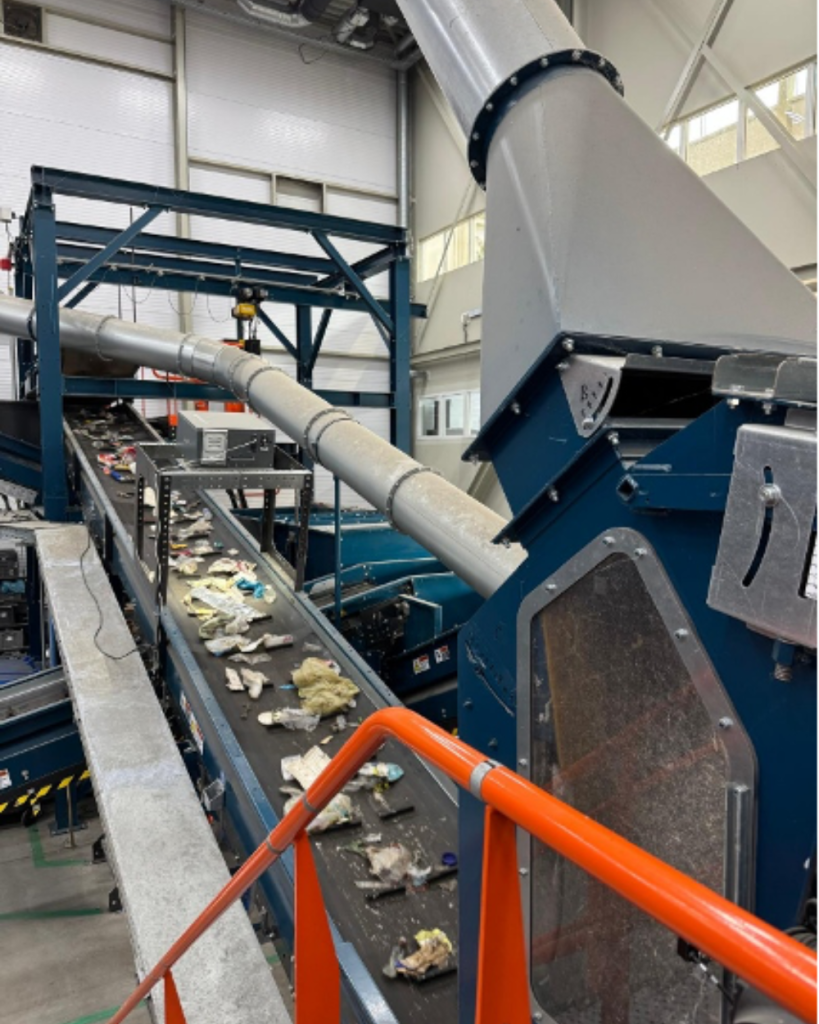
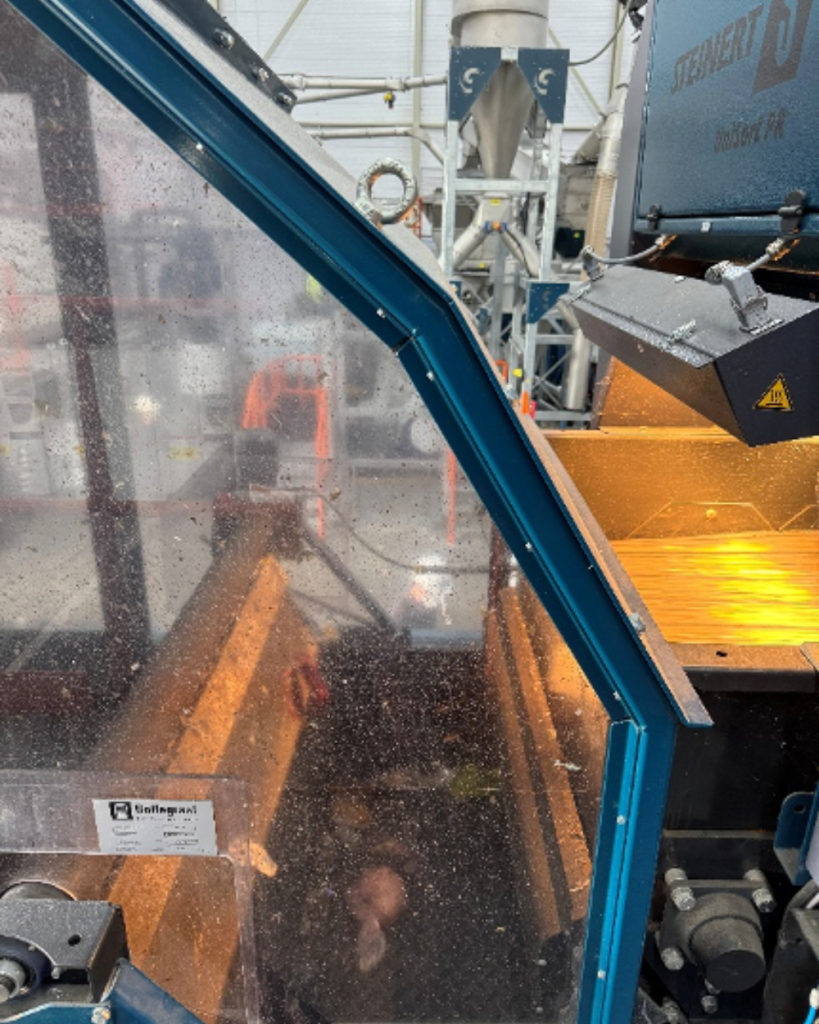
Figure 2. Material being processed on the sorting line at NTCP.
Using state-of-the-art sorting technology refined within the PROSPER project, we aimed to prove that it is technically feasible to:
Identify bio-based plastics within a fast-moving, complex waste stream.
Separate them accurately from packaging waste, also conventional plastics like PET and PE.
Create a separate stream of bio-based plastics for its own recycling pathway.
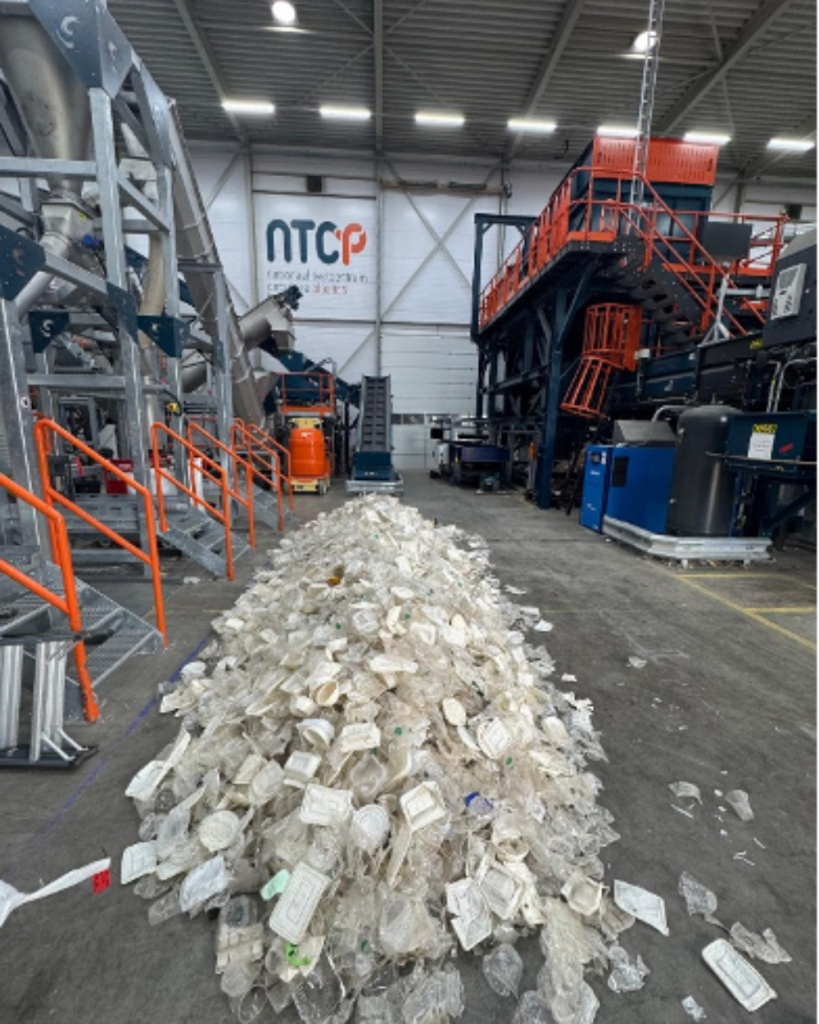
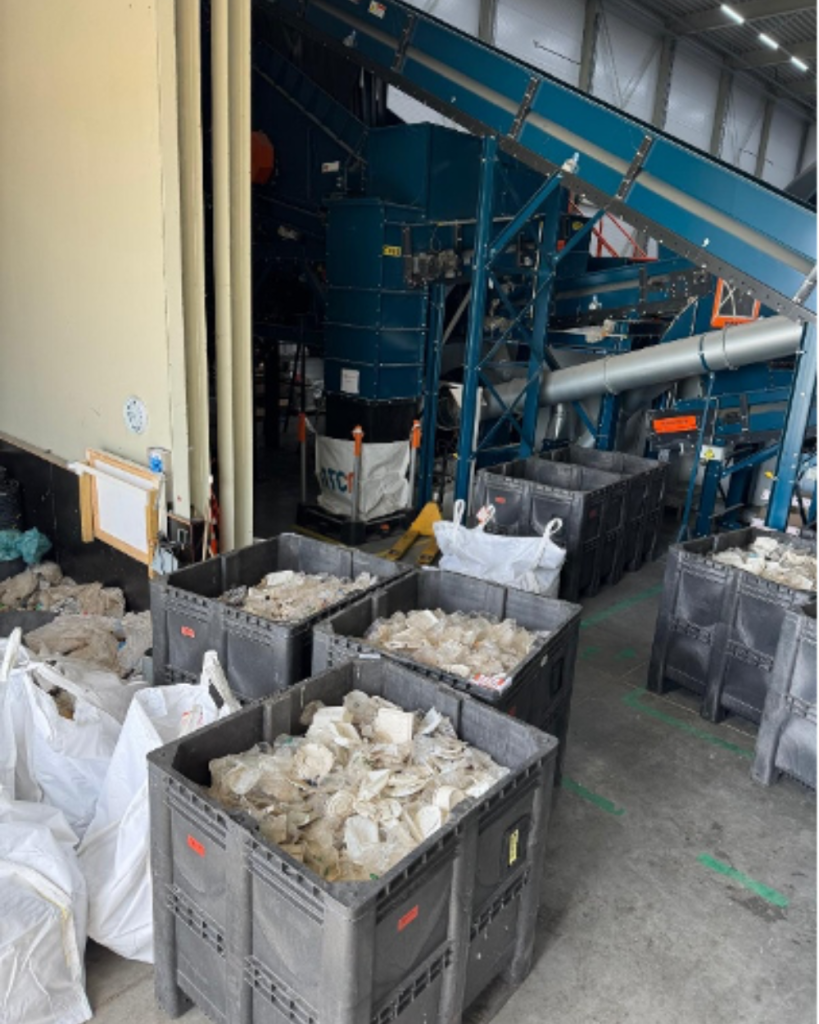
Figure 3. Sorted bio-based plastics at NTCP.
Promising results
The trial proved that bio-based plastics — in both film and rigid forms — can be successfully detected and separated from conventional plastics like PET and PE. The separated bioplastics included PLA from Futerro and starch blends and a range of biopolyesters from Biotec. The materials were sorted in such a way that they can be used in downstream mechanical and chemical recycling.
“This is an important milestone,” says the PROSPER team. “Creating a dedicated stream of bio-based plastics is the first step towards building a large-scale recycling system tailored to these materials.”
What’s next in PROSPER
While the results are promising, the work is far from finished.. The next phases of the PROSPER project will build on this achievement by focusing on:
Improving the NIR and vision classification for greater accuracy.
Pretreatment (washing) to prepare the sorted bio-based plastics for recycling.
Mechanical and chemical recycling with bio-based plastic materials from waste streams.
This trial is a clear indicator of the power of innovation and collaboration. We are now one step closer to a future where bio-based plastics have a place within the circular economy.
Contact at NTCP: Marcel van Eijk, R&D Manager, mvaneijk@ntcp.nl